


Gender
In our series “Art in Emigration,” we spoke with Alena Hapeyeva — a Belarusian model who, in 2023, went through a Belarusian prison and subsequently found herself in emigration. About why forests and swamps are frequently present in her photography, the symbolism in her works, and the difficulties models face in their profession — read more in this new material by “Not Today, Not Yesterday, Not Tomorrow.”
Alena, model

Alena, photo from the heroine’s personal archive
— How did you start your career in modeling, and what inspired you to choose this path?
— Back in my teenage years, I was interested in art and fine art photography. At first, I took photos myself, mostly of my friends. Later, I began using my own body for self-expression and started photographing myself, expressing things through the prism of photography. Eventually, other photographers began offering me shoots, and that’s when I started participating as a model. I enjoy setting up the photoshoots myself and collaborating with photographers to create joint art.
— What inspires your new works? Where does the motivation for your projects come from?
— It’s interesting to conceive something that personifies beauty, and it’s a constant process: exploring my inner world and expressing it through photography. I am inspired by wild nature, the forest, mythological motifs, and things that are more meditative. But I also want to use photography to express my social and political position, combining the two.
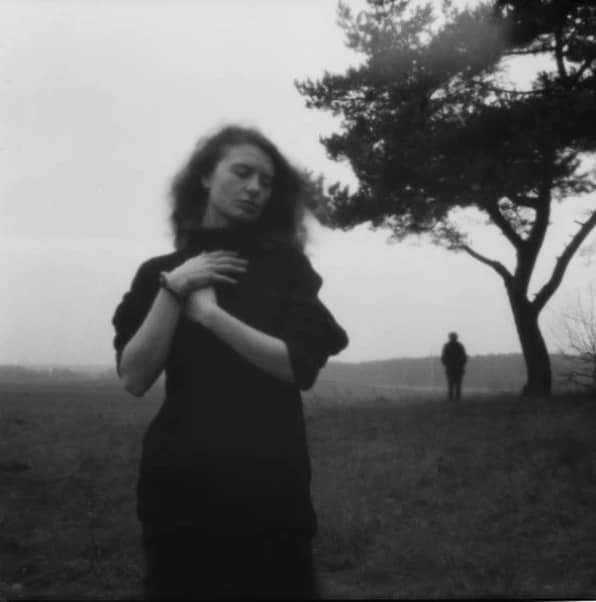
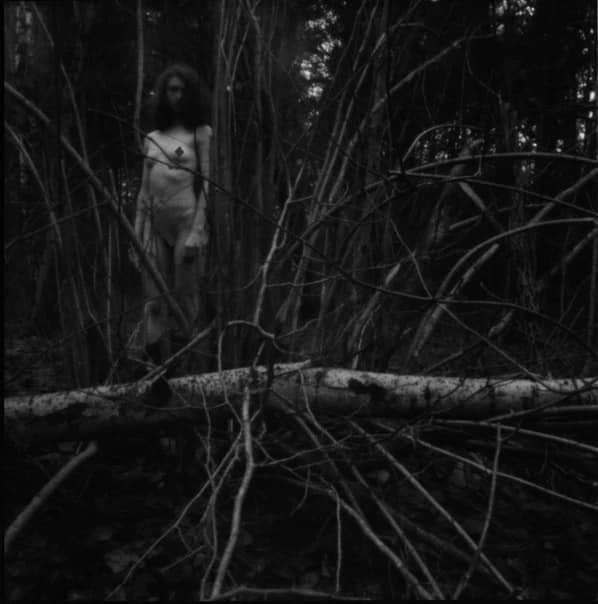
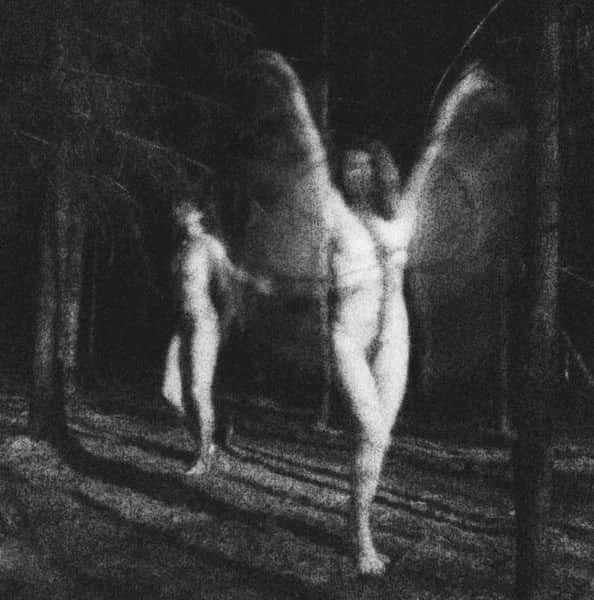
Alena, photo from the heroine’s personal archive
— Your work features photos of dictators and a lot of symbolism, including the mystical. How important are mysticism and symbolism in your work?
— Generally, I am interested in artistic photography, sometimes more staged, where there is a certain plot and concept. It’s a place where one can speak through images and symbols. As for mysticism, I believe it is inherent to all art—to open up mystical spheres.
— Modeling is often associated with the objectification of the female body. What is your take on this?
— I’ve had many moments in my career where photographers, men, treat you like an object or a sexual target that carries no weight or meaning. Over time, I learned to set boundaries. Sometimes it’s difficult to work as a model because you don’t always want to have to explain that, besides being a model, I have an intellect, I am a participant in the creative process, and I am not a sexual object. But this is something you have to learn. In the photoshoots themselves, I find it interesting to achieve a result that is valuable from an artistic standpoint, something that goes beyond just the female body or the idea that this body can only be perceived as a sex object.
— Do you believe sexuality and nudity are about feminism?
— I am not against sexuality and nudity if the girl herself likes it and if the aesthetics aren’t vulgar. If it’s aesthetically refined and carries a certain message, then it’s actually great! The body is a part of nature, and it can be used as a tool to express nature. I became a feminist in the last year, after working with male photographers who don’t understand that you have your own position and consciousness—that you aren’t just an object or a model, you are a person. And you have the right to communicate with men as equals.
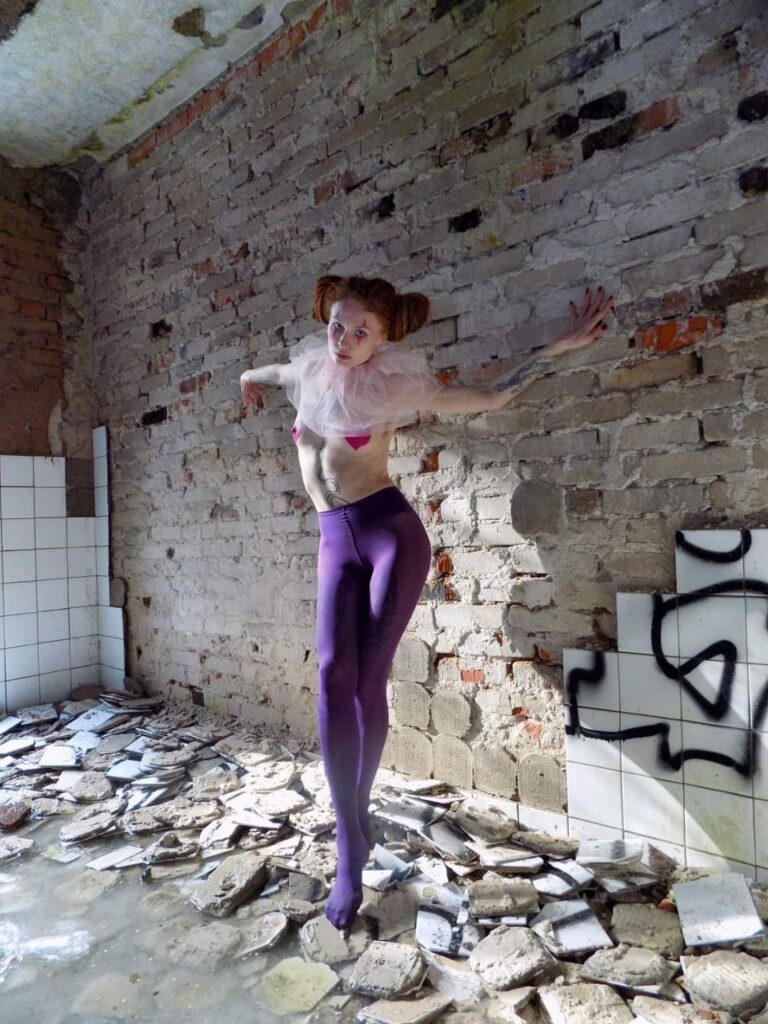
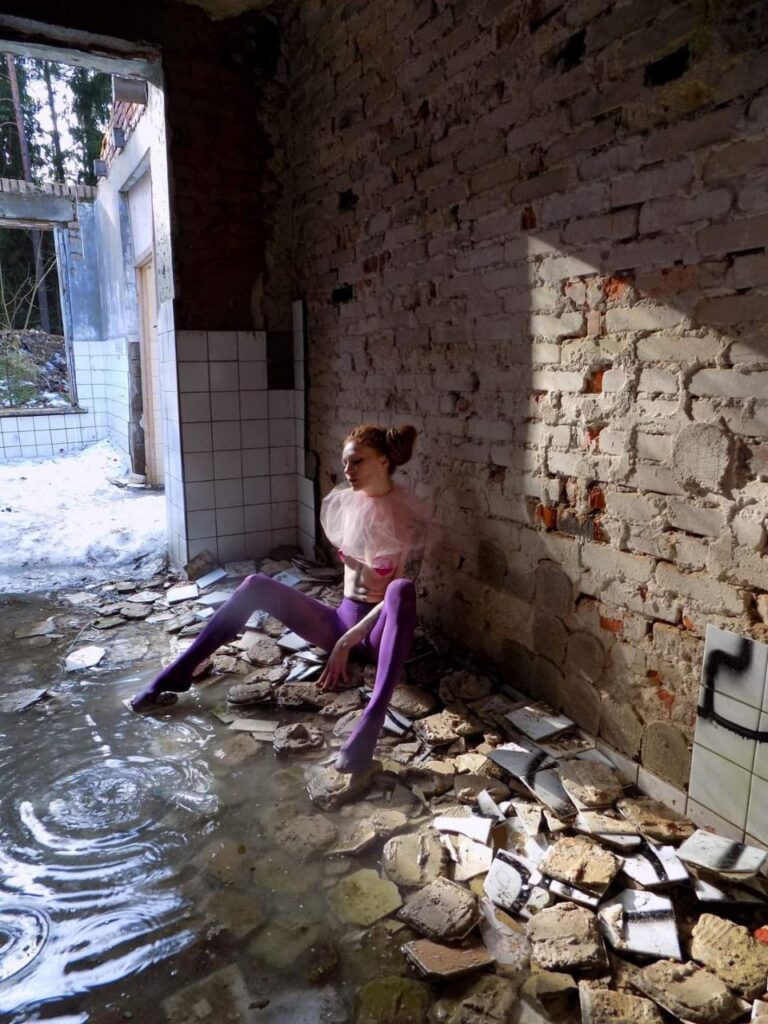
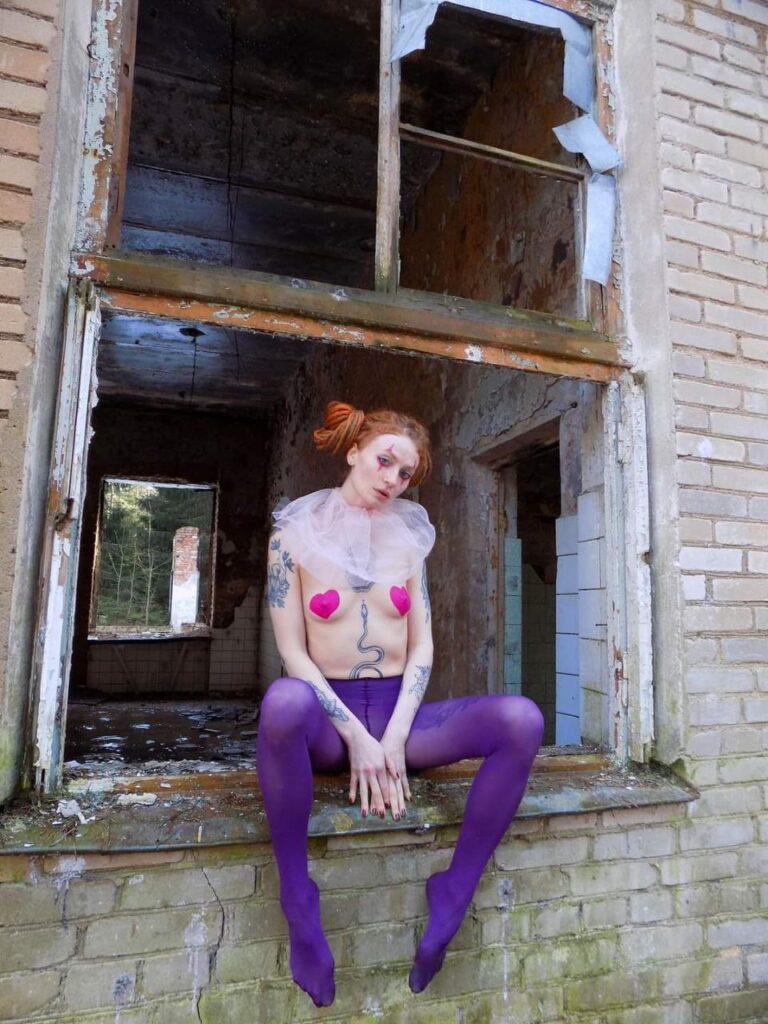
Alena, photo from the heroine’s personal archive
— Mass culture and global business use nude imagery and objectify the female body. What is your attitude toward this?
— Mass culture and the consumer society are a dead end. I grew up on the films of Fellini and Tarkovsky, the photography of Francesca Woodman, Joel-Peter Witkin, and Sally Mann. I am interested in uniqueness and the artistic message, not the values of consumption.
— Your photoshoots often feature forests or swamps. Do you imbue this with ecological meaning? How important are environmental issues to you, and are they currently trending in modeling?
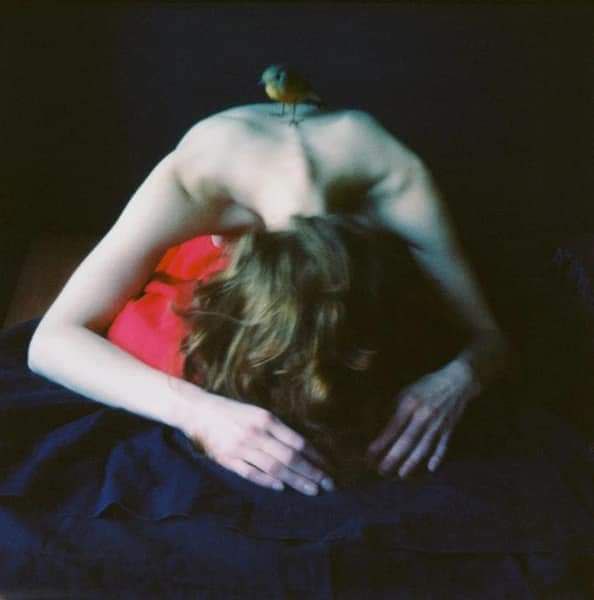
— Forests and swamps are a source of inspiration, and ecology is the foundation. Human life is impossible without a connection to nature; we need to think and talk about it. For me, lakes, rivers, swamps, and forests are places of power—places where I can be alone with myself. The last year in Belarus was very difficult; after the start of the war in Ukraine, intense repressions began in Belarus, and the atmosphere became harsher. The forest was the only place where I could breathe and calm down. I constantly went out into nature and spent a long time there to recover from society. I took many photos of myself in the forest. To me, the forest, the swamp, and nature represent a different temporal space. I like to imagine myself as a forest or swamp nymph—it gives me a creative boost.
— There is the concept of “fast fashion,” where one trend replaces another at the speed of light. How do you feel about this trend, and what do you think about fashion in general?
— Fashion is very interesting and cool when people can express themselves and create their own image and look. You don’t necessarily have to follow fashion trends. You can simply take a creative approach to your appearance and come up with your own vision of fashion.
— What problems and difficulties do you encounter in your profession, and how do you solve them?
— As I mentioned, it’s objectification. If you work with nude photography, people may perceive you as a sexual object, as if you are expected to provide them with emotional labor. But this can be managed if you learn to set boundaries. Another problem is when you put a lot of effort into a photoshoot and then receive unprofessionally taken shots; you realize the photographer just doesn’t “see” you or lacks the vision to capture something beautiful. That makes me upset. But it’s not a catastrophe.
— What were the most unusual locations for your shoots? What do you remember most?
— In Belarus, it was abandoned pioneer camps, the frozen Minsk Sea, the winter forest, or the Azgur Museum. In Lithuania, it was abandoned factories. There was a story in a park in Vilnius where I was being photographed semi-nude. There were people in the park, but they weren’t outraged; rather, they said it was beautiful. That touched me. We also did shoots in the city center, in parks early in the morning before people arrived, and in a pond with lilies. In general, I love unusual locations.
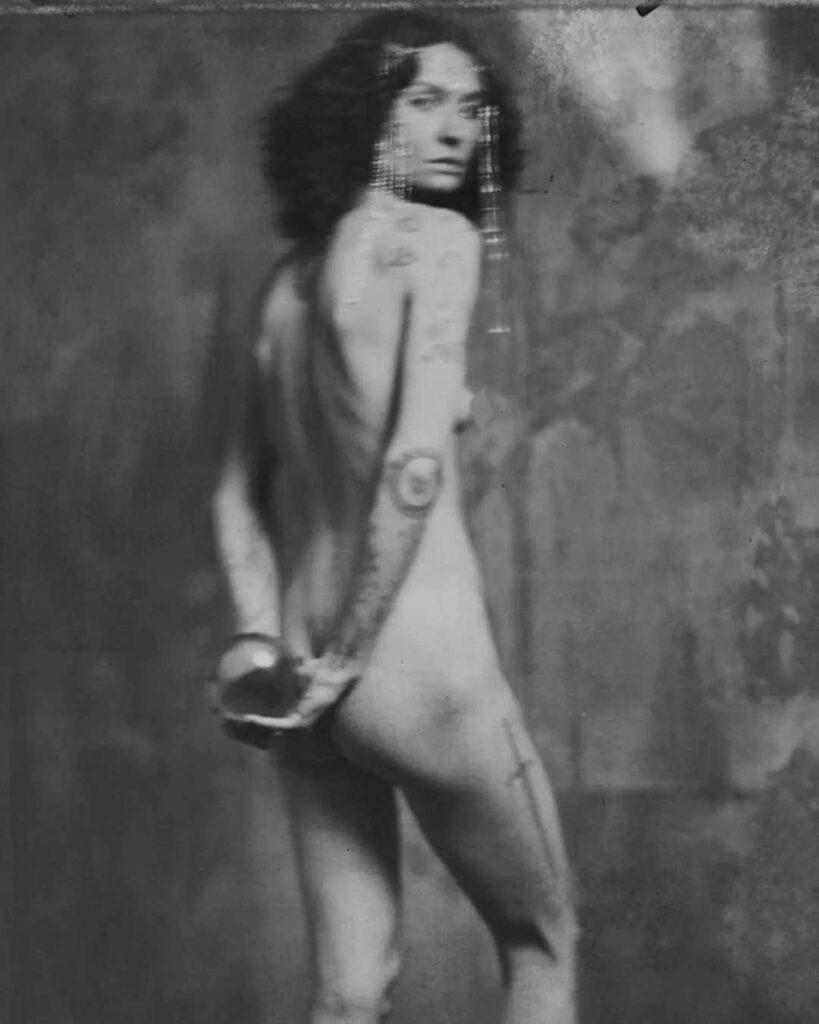
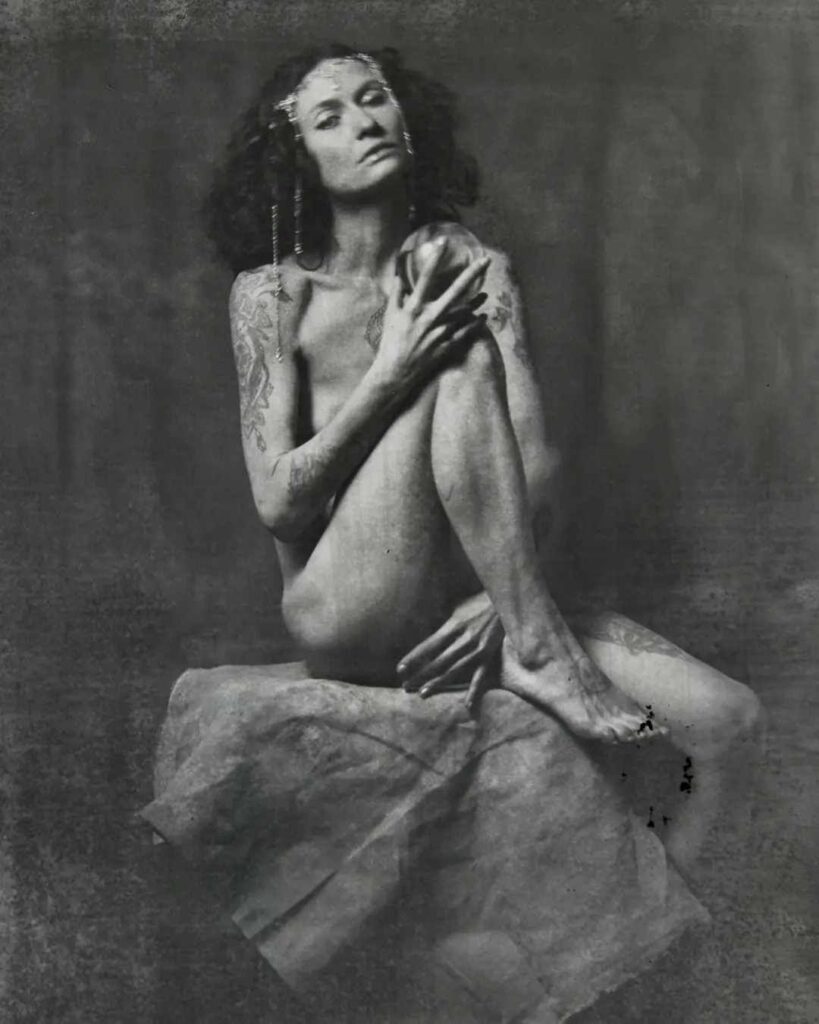
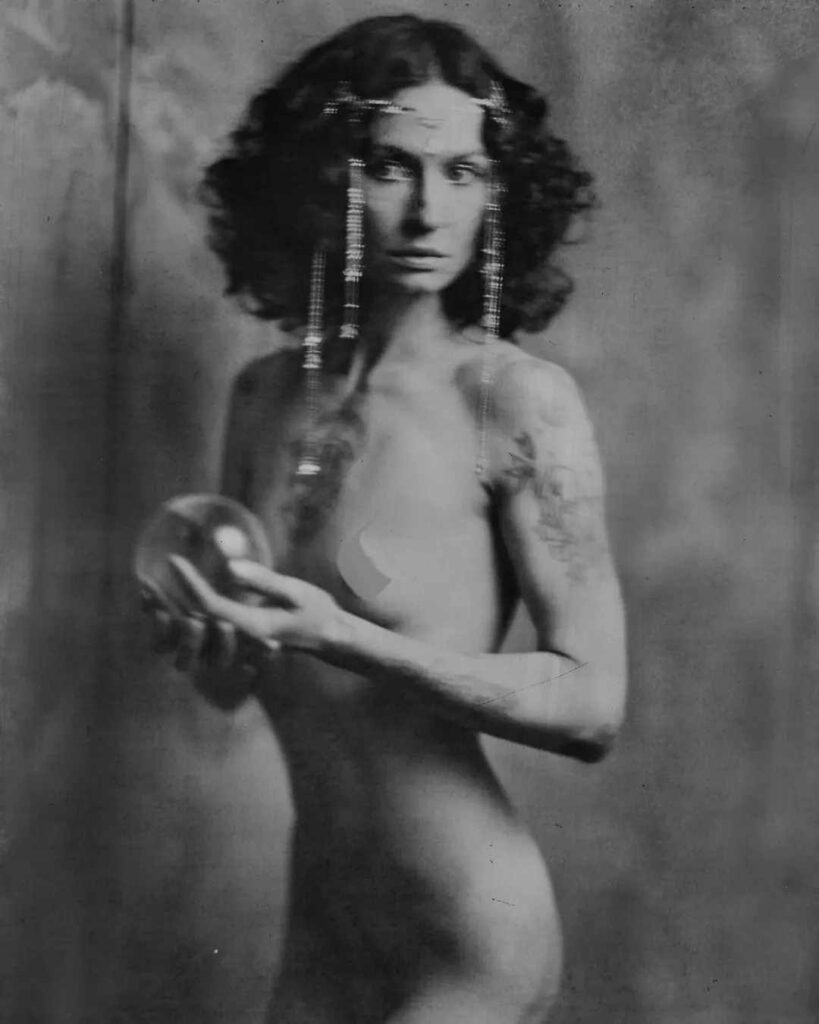
Alena, photo from the heroine’s personal archive
— What kind of projects would you like to participate in? What themes should be addressed in these projects?
— Probably workshops where there are many photographers and many looks. My last shoot was with handmade jewelry, which was interesting. Also, a friend and I want to create a photo project about political prisoners in Belarus, so that I can sublimate my experience of being in a Belarusian prison, express my emotions, and do it through the body. But this project is currently only in the sketching stage.
— What would you wish for aspiring models on their journey?
— Believe in your strength and strive for the beautiful!