


Psychology
In a world where anxiety has become the new currency, Xanax has transformed into a universal means of payment. While pop culture romanticizes the “Xanny generation” in Spotify charts, the reality looks different: it’s forcing yourself to work in food service, slurring your speech during a shift, and a left hand that suddenly stops obeying due to toxic neuropathy.
We spoke with a 30-year-old woman living in Poland who takes 8 mg of alprazolam daily, washing it down with alcohol—a dose doctors call lethal. This is a story of how legal medicine gets people “hooked,” and capitalism strips them of the opportunity to get off it. When a prescription costs 40 PLN but a full detox costs a waiter’s yearly salary, the choice narrows down to one: continue muffling the pain until your breathing stops.
8 mg of Fear: How a Legal Sedative Turned Life into a Vicious Circle
— Hi. How much Xanax do you use, and for how long?
— It’s quite a long story. It all started with oxycodone, morphine, and other things. Later, Xanax was added to enhance the effect. This began about seven years ago when I was 23. At first, I used it as a catalyst. Then, somehow, I managed to pull myself together and quit.
During tough periods, I would start again. I quit several times, especially after an overdose in 2021 from a mixture of morphine and benzodiazepines. After that, I didn’t use for a long time. But then hard times hit. You know, when you have a six-month break, it “hits” very hard at first.
Gradually you start taking it every day, and the effect disappears. Now I have to mix it with alcohol just to feel anything. The latest relapse started two months ago due to personal problems. Now the dosage reaches 6–8 milligrams per day.
— Why do you think it’s Xanax specifically? Were you drawn to the fact that it’s pharmaceutical, semi-legal?
— No, it all started with simple curiosity. It has a strong effect; it removes anxiety instantly. There’s also Clonazepam, but it doesn’t work on me. A year ago I was already on Xanax, but back then I was in a relationship—thanks to love and support, I was able to quit. I was sober for several months and was very happy about it.
Now I’ve started taking it again because I’m in shock at what’s happening in my life. The doses are huge; I have to wash them down with alcohol. I wake up with such anxiety that I need 2 mg immediately, but they only work in combination with alcohol. Only then does the fear go away.
— What happens if you don’t take Xanax? How do you feel?
— Horror begins: panic attacks, tears. It’s unbearable. I’ve kicked morphine and opiates before, but this state is even worse. It’s so scary and bad that detox is necessary. But I can’t go to a clinic because I need to work to pay for my apartment. I work in food service; you can’t drink there, so I just “snack” on pills throughout the shift. I don’t know how I’ll get off them this time.
“Benzodiazepine Winter.” Xanax (alprazolam) belongs to the group of benzodiazepines—these are the only widely distributed drugs whose withdrawal syndrome can be lethal. Unlike heroin withdrawal, which is extremely painful but rarely kills on its own, abruptly quitting high doses of Xanax can cause epileptic seizures and cardiac arrest.
The new threat of “designer” counterfeits. Recent studies show a sharp increase in mortality from fake Xanax bought on the black market. Lab analyses of seized tablets revealed that in 90% of cases, they do not contain alprazolam but consist of bromazolam (a potent designer benzodiazepine) combined with nitazenes (synthetic opioids 10 times stronger than fentanyl). This makes familiar dosages unpredictable and deadly, even for experienced users.

Numbness: It Shuts Down the Body but Leaves You in Reality
— As far as I know, benzodiazepines heavily disconnect you from reality. How do you cope with work?
— No, it doesn’t disconnect me; I function. The only thing that gives me away is my speech when I mix the drug with alcohol. Then it becomes obvious. I go for this mix just to feel something, because right now, inside, there is absolute emptiness.
— Do you realize that mixing it with alcohol is a death risk? Respiratory failure in your sleep…
— Yes, I know that. The other day my left hand already failed—the wrist just stopped working. I couldn’t squeeze it. These are direct consequences of use.
“Saturday Night Palsy.” Limb failure when taking Xanax with alcohol is often linked not only to toxic nerve damage but also to the “positional compression” effect. Due to profound sedation, a person falls asleep in one position and feels no pain. Tissues are compressed, blood stops flowing to nerve endings, leading to neuropathy or even rhabdomyolysis (breakdown of muscle tissue), which can lead to kidney failure.
Synergy of respiratory depression. A 2025 study confirmed that the combination of benzodiazepines and ethanol creates a “multiplication” effect rather than simple addition. Alcohol blocks the liver enzymes (CYP3A4) meant to break down Xanax. As a result, the drug level in the blood sky-rockets to critical levels, causing the collapse of the upper airways. The brain simply “forgets” to signal the lungs to take a breath.

Too Much Responsibility: Doctors Can’t Help Taper, and the Black Market Is Too Expensive
— Where do you get the drug: do they write prescriptions, or do you buy it “on the street”?
— On the black market, of course. I buy from a dealer; it’s very expensive. A stash lasts 10–15 days. Previously, doctors prescribed it officially because of panic attacks; it’s in my medical records. Now in Poland, you can find outfits where for 40 PLN they’ll write you a prescription for 30 tablets of 1 mg. I know a couple of such places.
— How do doctors react to your request for a Xanax prescription?
— Last time, the psychiatrist said that with such a dosage (6 mg), I only need inpatient detox. I asked for a gradual tapering schedule, but she refused to take on that responsibility.
— When you were first prescribed Xanax, were you warned about the consequences?
— Yes, but that doesn’t stop them from offering it. Doctors see that they don’t have a “typical addict” in front of them, and they prescribe the drug for panic. People without a tendency toward addiction can finish a course and stop. But if you have a predisposition—you are doomed. Doctors talk about addiction after 2–4 weeks, but in practice, after 3–4 months, you are already in deep trouble.
In Poland, there is a phenomenon of so-called “receptomaty”—online platforms where for a small fee (about 40-100 PLN), a patient fills out a form and receives an e-prescription code within 15 minutes. Despite the Polish Ministry of Health’s attempts to restrict the issuance of psychotropic substances via the internet in 2023–2024, loopholes remain, making alprazolam one of the most profitable items for semi-legal online clinics.
Deficit of “soft” exit protocols. New data from the European Federation of Psychiatric Associations indicates an acute shortage of doctors willing to perform outpatient tapering of benzodiazepines. Due to the high risk of suicidal depression and seizures, doctors prefer to waive responsibility, referring patients to closed inpatient facilities, which is often impossible for working people. This creates a class of “forced buyers” on the black market.
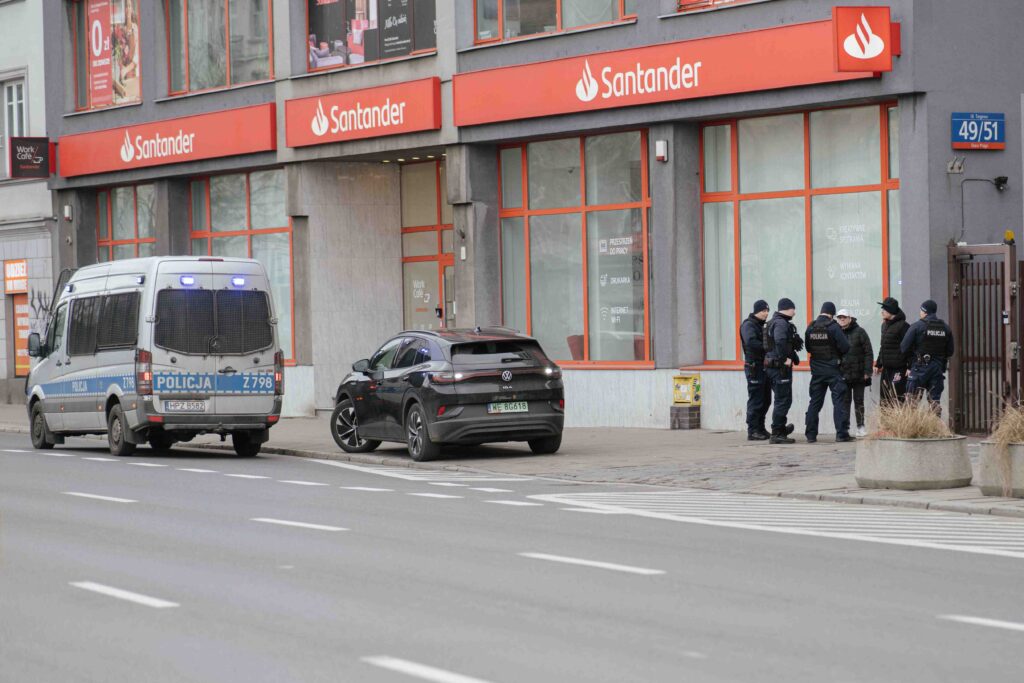
Business on Emptiness: “It’s Easier to Sell Than to Cure”
— How did your inner circle react to your addiction?
— I try not to advertise it. I have practically no close people left; I hide everything.
— Why do people, knowing the danger, still choose Xanax and even romanticize it in songs?
— For beginners, it gives incredible relaxation and a high. For those who believe they can control their use, they like it. I don’t see that effect anymore.
In general, Xanax is capitalism. It’s much easier to sell someone a pill than to send them to a therapist to deal with the causes of pain. It’s easier to make a business out of this pain, because many people in the world are hurting right now, and everyone wants to drown it out.
“Generation Xanny.” Mentions of Xanax in popular song lyrics (especially in SoundCloud rap) have grown by 600% over the last decade. Researchers call this “pharmaceutical escapism.” Unlike drugs of the past, which were used for consciousness expansion or partying, Xanax in pop culture has become a symbol of the desire to “shut off feelings” and become emotionally immune to the pressures of the modern world.
Social isolation as a catalyst. A new study from Stanford sociologists confirms the theory of “social anesthesia.” In conditions of a crisis of trust and the breakdown of close ties (as the heroine mentions), the brain begins to interpret loneliness as physical pain. Pharmaceutical companies exploit this, positioning benzodiazepines as “fast glue” for the psyche, which is cheaper and more accessible than long-term social rehabilitation or psychotherapy.
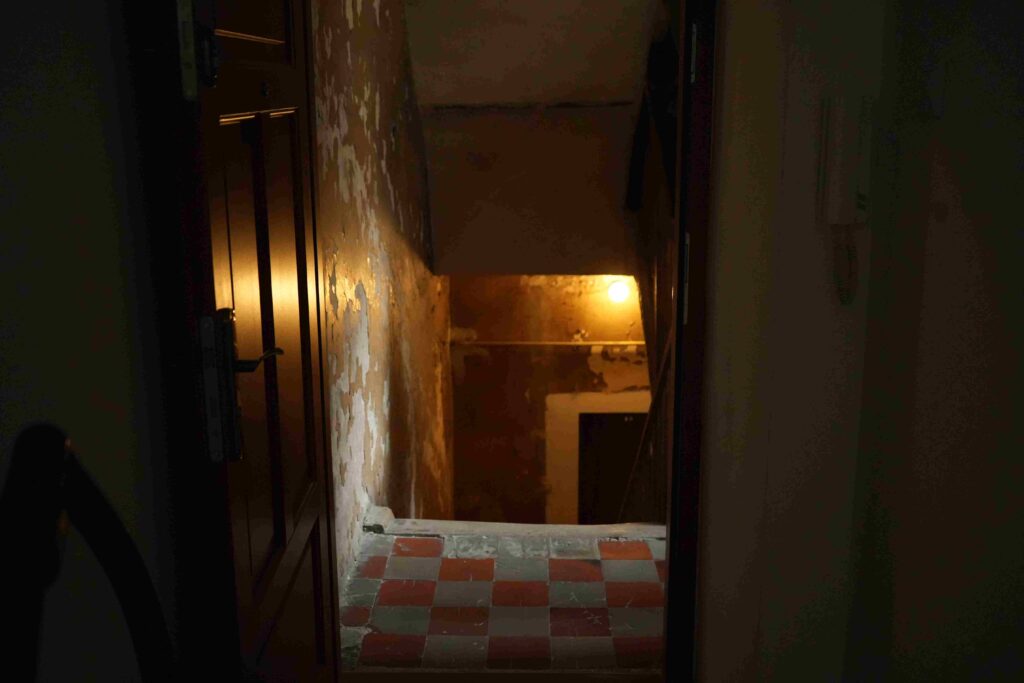
The Price of Detox: “I know I can’t lower the dose myself, but there’s no money for treatment”
— How long does it take to clear the withdrawal?
— They say two weeks. A year ago, I saved myself with valerian, went to church, prayed—and somehow it let go. But back then the doses were much smaller. Now it’s no longer at a psychological level; it’s a level of heavy physical intoxication.
— What would you say to those who want to try Xanax under the influence of trendy tracks?
— Try it if you want, but know this: if you are prone to addiction, you won’t get out of it. If you don’t have big money, the support of parents, or wealthy friends—it’s over.
— Do you see yourself without pills? What could help?
— I desperately need detox, but I don’t have a financial cushion to quit work for the duration of treatment. I try to convince myself that I can lower the dose on my own, but deep down I know—it doesn’t work that way for addicts.
Low chance of a “solo finish.” According to statistics, the success rate for self-withdrawal from Xanax without medical support is only 6%. This is due to the “rebound anxiety” phenomenon: after stopping the drug, the patient’s natural fear returns with a force several times greater than the original. The brain, accustomed to external chemical support, cannot handle the neurochemical chaos, which in 94% of cases leads to an immediate relapse.
NFZ Crisis and Detoxification Costs in Poland. By the beginning of 2026, the Polish healthcare system (NFZ) faced a budget deficit of 23 billion PLN, leading to waiting lists for free rehabilitation of 6–12 months. In the private sector, the cost of a 30-day inpatient course for benzodiazepine addiction in 2026 starts from 18,000–25,000 PLN (about 4,000–5,500 EUR). For food service workers without savings, this makes professional treatment effectively inaccessible, locking them into the status of “functional users” until the moment of critical organ failure.
How to help?
This story is a cry for help from a person caught in a trap. The heroine is aware of her path and wants treatment, but a financial dead-end makes it impossible. If you have the opportunity to help—financially, legally, or with advice on finding accessible detox in Poland—please write to us.
Email us at: nottodaysocialmedia@gmail.com
We will pass all messages to the heroine. Every response matters.