


Emigration
Latvia is a country we often know little more about than its Baltic landscapes, Soviet-era apartment blocks, and post-Soviet everyday life clashing with European routine. But in this article, Pavel and Gosha—punks from Latvia—have agreed to give us a guided tour of the local underground. What sounds are coming out of Latvian clubs and kitchens, what the scene lives for, and who is driving it—read all about it in this new feature from nottoday.media.
Pasha and Gosha
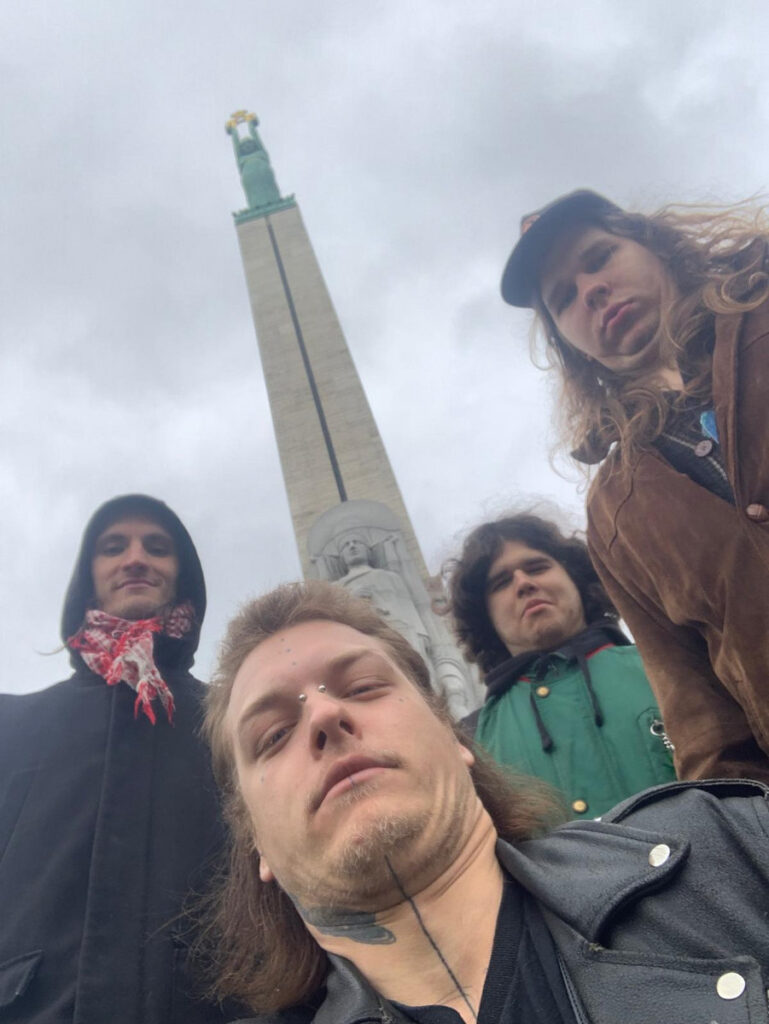
Gosha: These guys play Jazz crust. The vocalist, a guy named Dave Raven, also uses a clarinet in their songs. The guitarist loves psychedelic sounds; he has his own group called Marlboro Advanced Blue.
Pasha: Actually, just Advanced Blue. Their music is truly interesting, and we sincerely recommend giving it a listen.
Gosha: In PIDARI, the guitarist is great at holding the audience’s attention and setting the pace: one moment it’s d-beat with lots of screaming and a heavy sound, and the next second it’s a calm, jazzy transition. Good guys, great show, and they have a hilarious album where they released 13 versions of the song Pidari nāk (“The Faggots are Coming”).
Tavas Māsas Nāsis (“Your Sister’s Nostrils”)
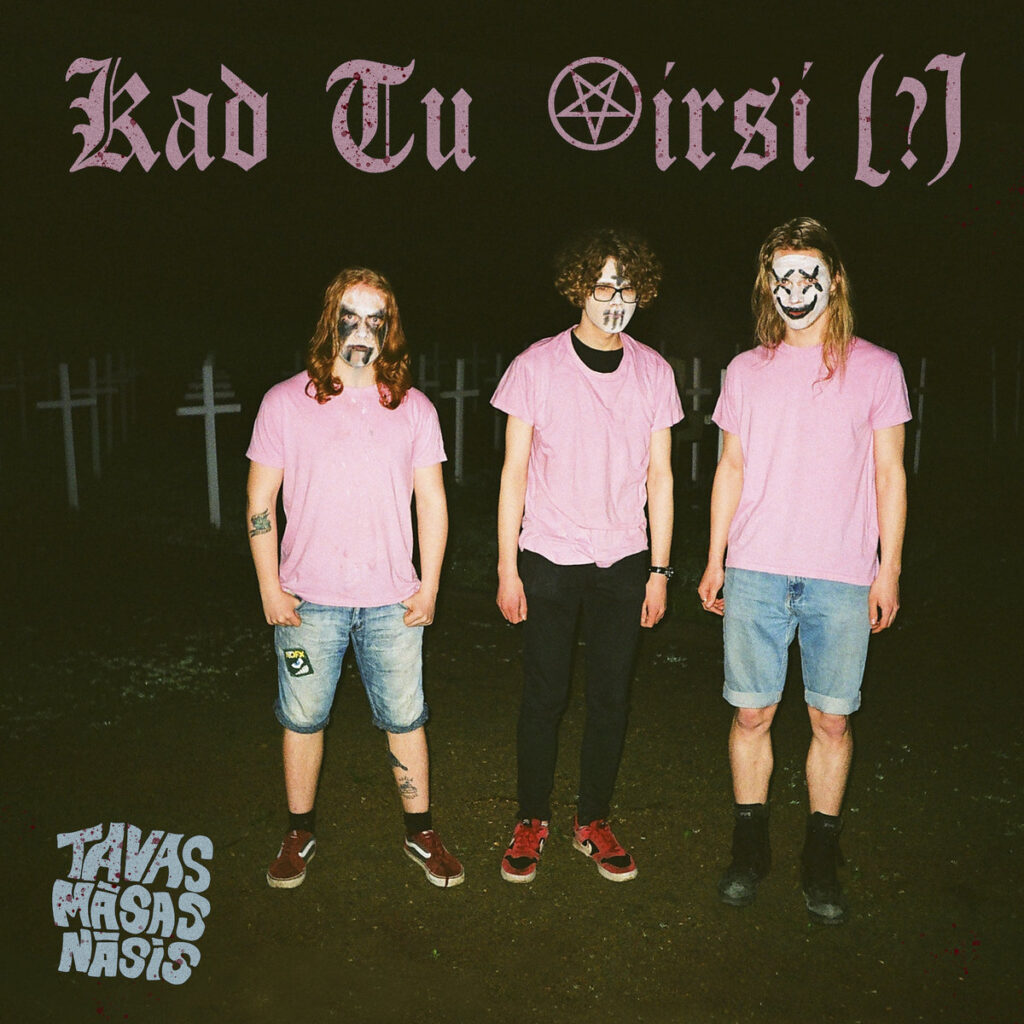
Pasha: Their music is, you could say, ironic—even post-ironic. At their first performance, they called their genre “nāves metāls”. It’s not exactly “death metal” in the standard sense, but literally “metal of death.” In reality, it’s not metal at all, but something more like synth-pop. But the guys are really cool.
My introduction to the Latvian scene actually started through the lead singer of this group—he’s the one who brought me in.
In the old photo, there are three of them, but the lineup has changed countless times; at one point, I even played bass with them. Now there are six or seven people, and they play something between synth, ska, disco, pop, and rock. Their production is top-notch—they do almost everything themselves.
Grēcīgie Partizāni (“Sinful Partisans”)
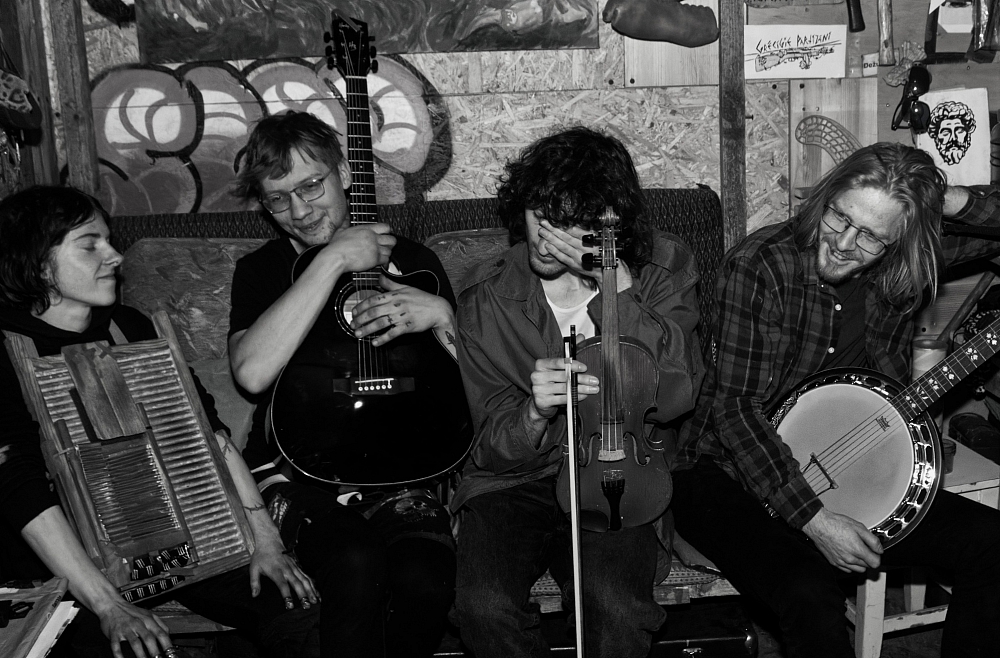
Gosha: This is folk punk, and probably the most classic version of it. The lead singer used to play in many underground projects, including Zintnieks, where he was actually on drums.
Pasha: They have a very DIY approach to everything. The singer actually lives in Riga, on an island, in some sort of handmade hut, growing tomatoes and all kinds of stuff. The guy is maximum DIY.
Zintnieks (“The Sorcerer/Healer”)
Pasha: Zintnieks. Yeah, cool stoner rock with female vocals.
Gosha: Totally agree.
Pasha: An album of four songs lasts an hour. One of them is 17 minutes long. The guy from Grēcīgie Partizāni used to play drums for them. They perform quite rarely, but they play great stoner stuff.
Izslēdzējs (“The Switch”)

Gosha: Izslēdzējs is crust, even blackened crust. They got a new vocalist recently, around 2025. I was at the album presentation with him, and he really completed the sound. The band always sounded good, but now it’s even better.
Pasha: To me, it all makes a perfectly good noise.
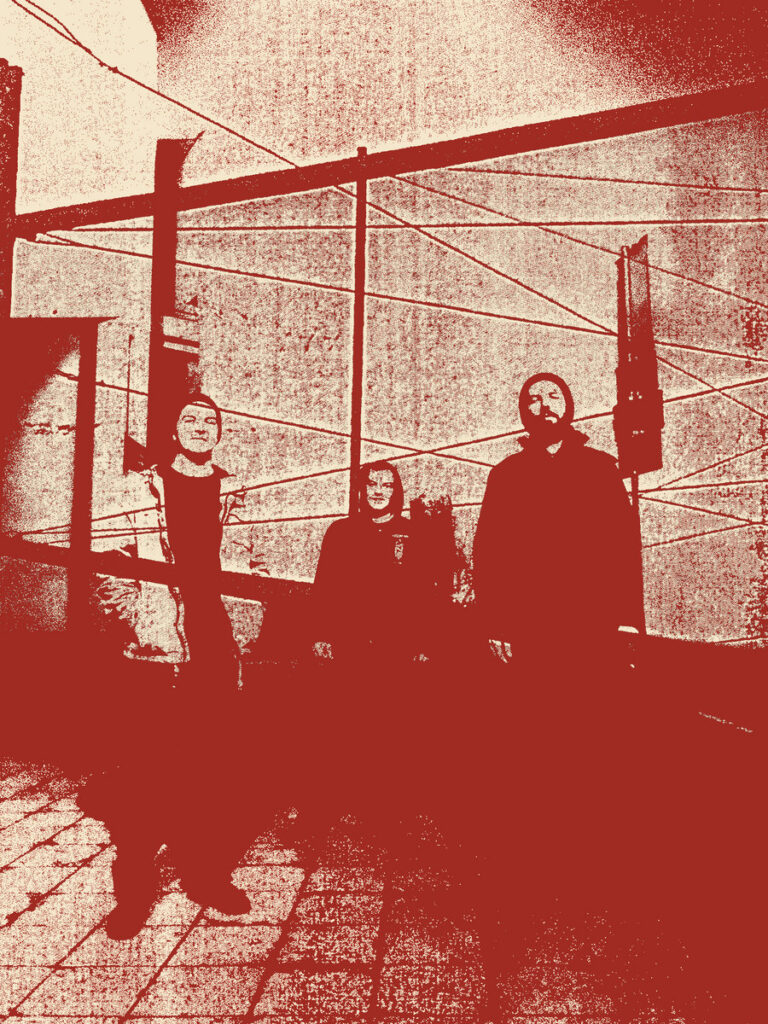
Pasha: Tesa is a legendary, very old team. What else can I say about Tesa… they’ve played everywhere it’s possible to play. Solid post-metal.
Gosha: Every performance is a wall of noise… the amps are cranked to the maximum. They all play very tight.
NEKAD (“Never”)
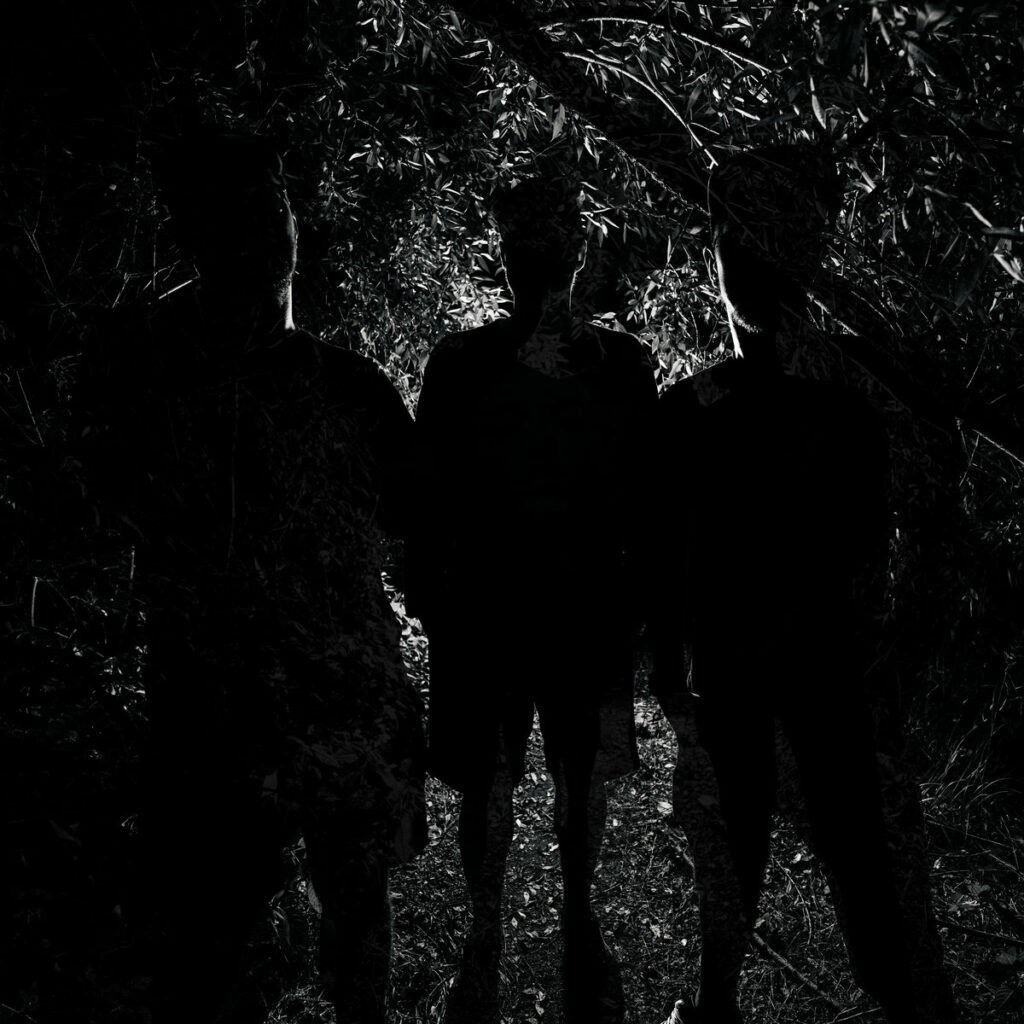
Pasha: Good neocrust. Heavy.
Gosha: Truly, indeed. Good. Powerful. So angry.
Pasha: Energetic. It’s very pleasant to listen to this band. I think it’s the only neocrust existing in Latvia at all.
Gosha: Yeah, I think so too. But they also perform rarely. Most of our teams perform rarely. Especially the older ones.
“Smert” (“Death”)
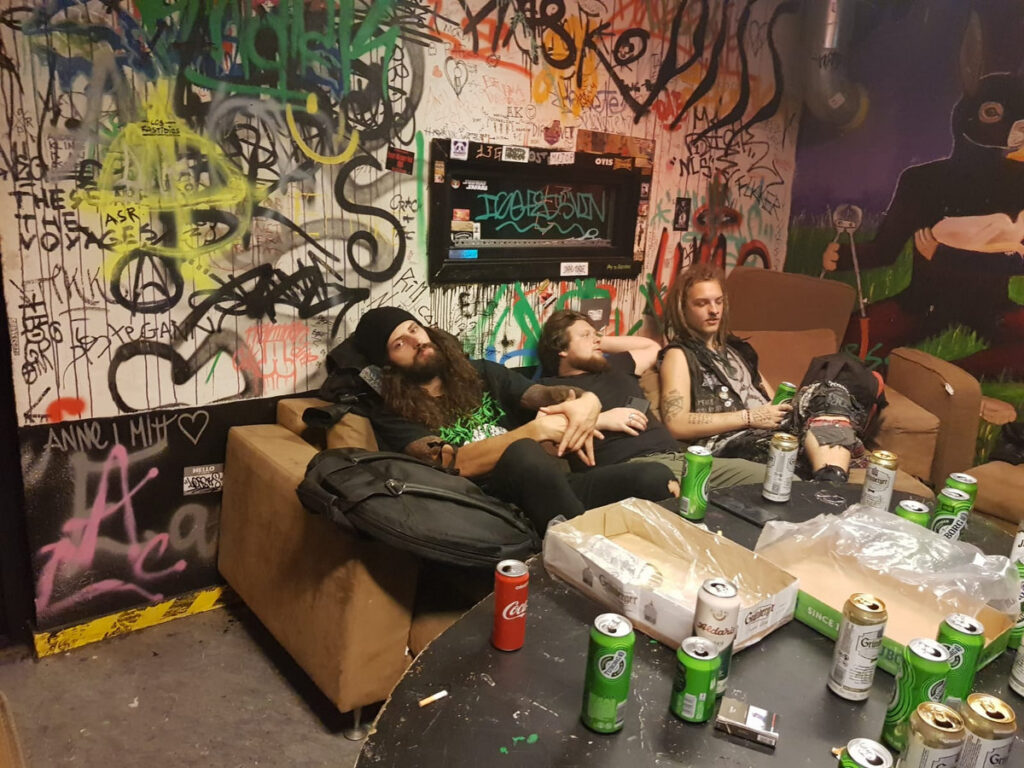
Pasha: Smert. Well, this is probably the only d-beat band in Latvia.
Gosha: The vocalist from PIDARI—this is his own band. You can see him clearly in the photo. This is also an old team: they’ve been playing since 2015–2016. They were first called Woodoom, then they broke up, and now they’ve started performing again.
Süki (“Autumn,” from the Estonian word sügis)
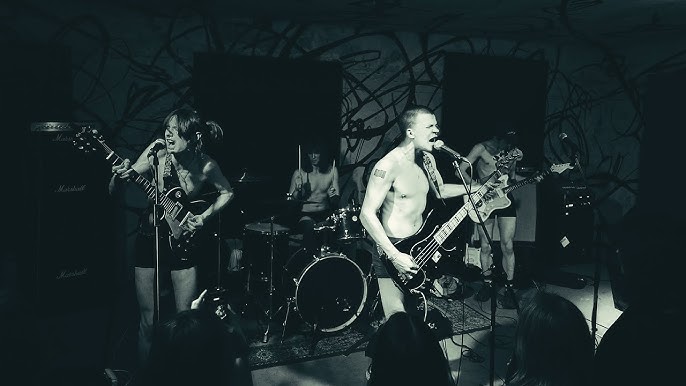
Gosha: With Süki, it’s very simple—they are our homies.
Pasha: Yeah, good friends of ours. Excellent emo. I went to the same school as the guitarist, I can call him one of my best friends, so I highly recommend listening to them. 🙂
Gosha: I recommend listening because no one was doing anything like this in Latvia before. If you compare how they started to how they play now, it’s gotten much heavier, more breakdowns. But not just that—at the album presentation, there were even some acoustic, funny songs.
Pasha: Guys with huge potential, we recommend them.
Gosha: Totally support that.
P.S. And for those who want to know what was happening on the Latvian scene in the 90s, the “Odekolons 97/98” compilation, which once came out on cassettes, will tell you that story.