


Emigration
Riga. 2025. A piercing Baltic wind. Against a backdrop of pines soaked by eternal rain, a genre resounds that seemed destined to remain in the mid-2000s, somewhere between thin bangs and broken hearts. But it’s precisely here, in cold and outwardly reserved Latvia, that a new, radically honest emo-chaos is being born.
An interview with the band Süki is not just a conversation about music. It’s a manifesto about how to be young, loud, and emotional in a country still dominated by rigid “normality” and post-Soviet restraint — and we also listen to tracks from their latest album.
Nikita — lead guitar, lead vocals
Kolyа — bass
Vlad — guitar
Egor — drums
Edd — vocals, noise, samples
Janĩna — saxophone
NTD: Hi! Introduce yourselves. And most importantly — why emo? What made you choose a genre that barely exists on the local scene?
Nikita: It all happened very spontaneously; the drummer pulled me into this genre, and I immediately decided I wanted to play it, no matter how popular it is.
Edd: I’m sure each of us plays emo music for our own reasons. For me, it’s the perfect way to release energy — not spend it, but pass it on to the crowd. Today you rarely find any kind of core-music in Riga, but when I was growing up, it was quite in demand. Take in.stora, for example. Everything is cyclical; I think emo is returning to the so-called trend.
Vlad: Personally, having been in the local scene for over five years, I’ve noticed more than once that people here are afraid to experiment. Working by template, bands that usually don’t last long. I wouldn’t say sticking to genre canons is bad, but I’d like to see a fire in the eyes of new musicians.
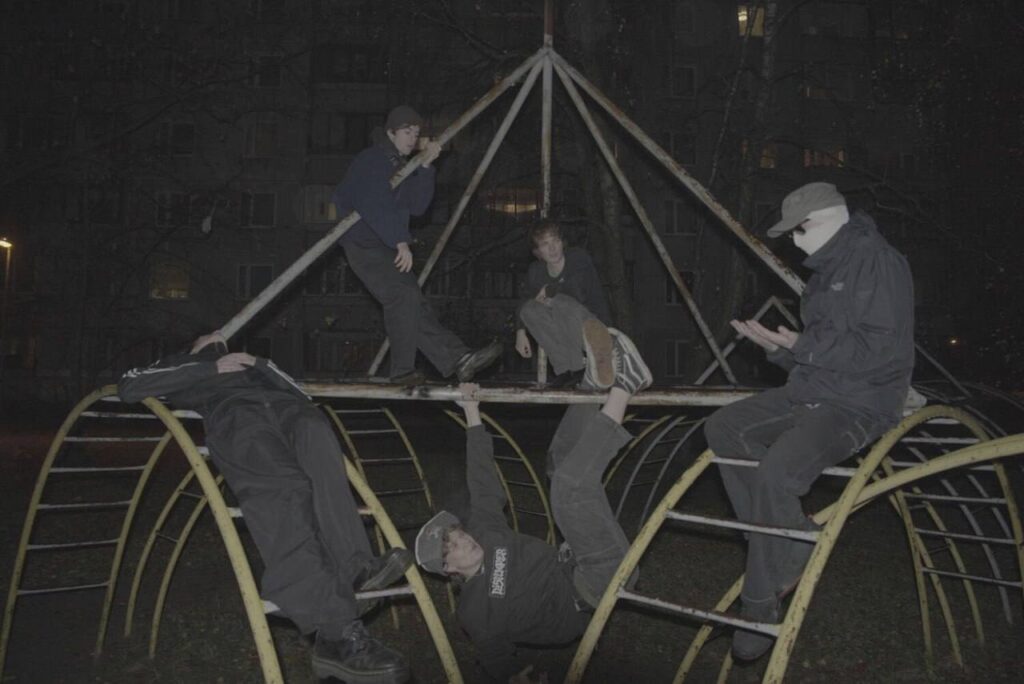
NTD: Emo and Latvia — a combination that sounds almost surreal: cold, Baltic winds, pines… How did the scene you ended up in even appear? And did you ever feel like you “didn’t fit”, even among your own?
Nikita: Honestly, I have no fucking idea what’s going on in our scene.
Edd: I can compare our scene now and ten years ago. I didn’t fit in then, and I don’t fit in now — and honestly, it really doesn’t matter. We do what we like; the rest is up to the listeners. As for Latvia — I think everything is exactly as it should be. Rain, slush, blood, and tears.
Vlad: To me — the setting is perfect. Outside the window, it’s grey; you step onto the street and the wind almost knocks you down. As for the second part — I wouldn’t say so. Even standing at a morning bus stop among grandmas, I feel like I live among emos who refuse to admit it until the very end. Post-Soviet paradise!
NTD: What music did you grow up on? Which bands and scenes shaped your sound and approach?
Nikita: I grew up on Sonic Death and similar guys from the Russian scene. I think Merchant Ships and Ed Sheeran influenced me as well.
Edd: Hanatarash, Psychea, Chimera, the first two BMTH albums.
Kolyа: Grazhdanskaya Oborona, Mongol Shuudan, Bashlachev.
NTD: Emo often grows out of inner chaos. How do you deal with that chaos in daily life? Or is music your only way not to fall apart?
Nikita: Video games, watching movies and shows, and spending time with my loved one help me deal with everything.
Edd: Only music, I don’t trust people. I also like to draw, but it’s better not to talk about that.
Egor: Music is very important to me; I don’t know how we’d all cope without it. It’s hard to wake up every day and do the same thing over and over — in those moments music helps you find the strength to live one more day.
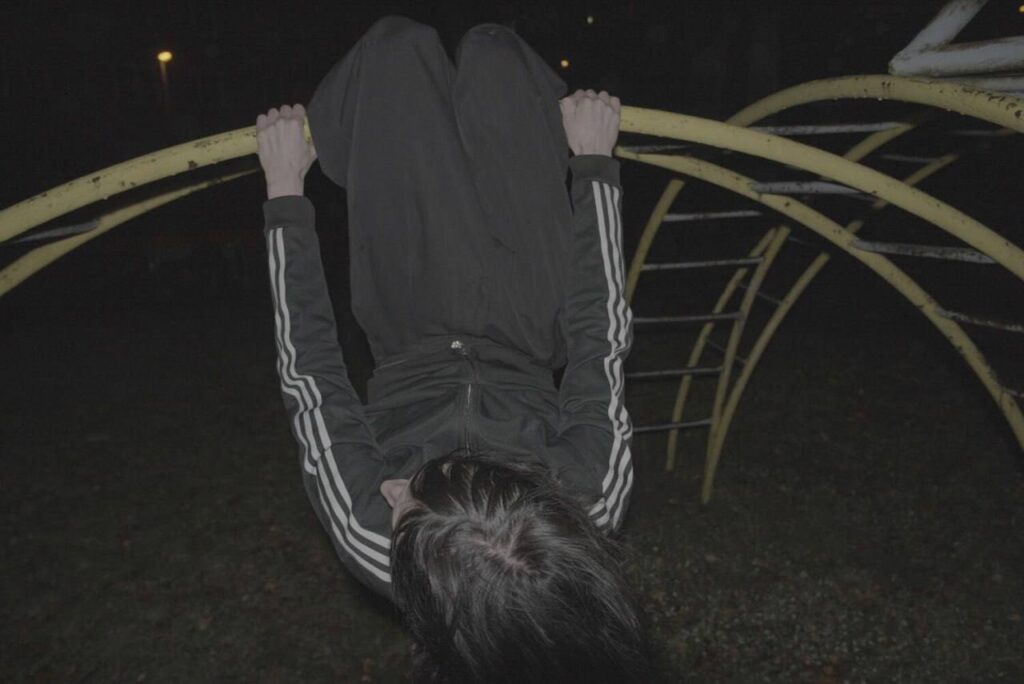
NTD: The emo scene has a reputation for turning pain into aesthetics. How do you distinguish sincere feelings from a pose? And how important is radical honesty in your art?
Nikita: For me, emo music is a great way to let everything out, so sincerity is essential.
Kolyа: If you’re not honest with music, you’re not honest with yourself.
Edd: I already told the guys I’ll shoot myself. They think I’m joking, no idea why.
NTD: In Latvia, rigid ideas about masculinity and “normality” are still very visible. Have you felt pressure — to be quieter, calmer, “more normal”? And how did you come to terms with it or, on the contrary, push against it?
Edd: As a teenager I got beaten up for my looks and other bullshit. That’ll happen everywhere and always, until the old generation and their kids die out! Carry pepper spray and do 30 push-ups every morning — that’s all I can advise. But honestly, times have changed — look at rappers, they’re already jumping around stages in skinny pants with bangs, and cool metalheads are vibing on autotune. So — freedom of self-expression, let’s go!
NTD: Share a story from your live shows — strange, funny, touching, anything that still sticks with you.
Edd: I remember very little. Fragments of memory are lost forever.
Nikita: Not directly related to our band, but our bassist Kolya has a band called “Samokontrol’”. At their first gig, the vocalist got wasted to a vegetable-state, and then someone sprayed him with pepper spray. There were 10 minutes left before the performance.
Kolyа: Fucking Nazis.
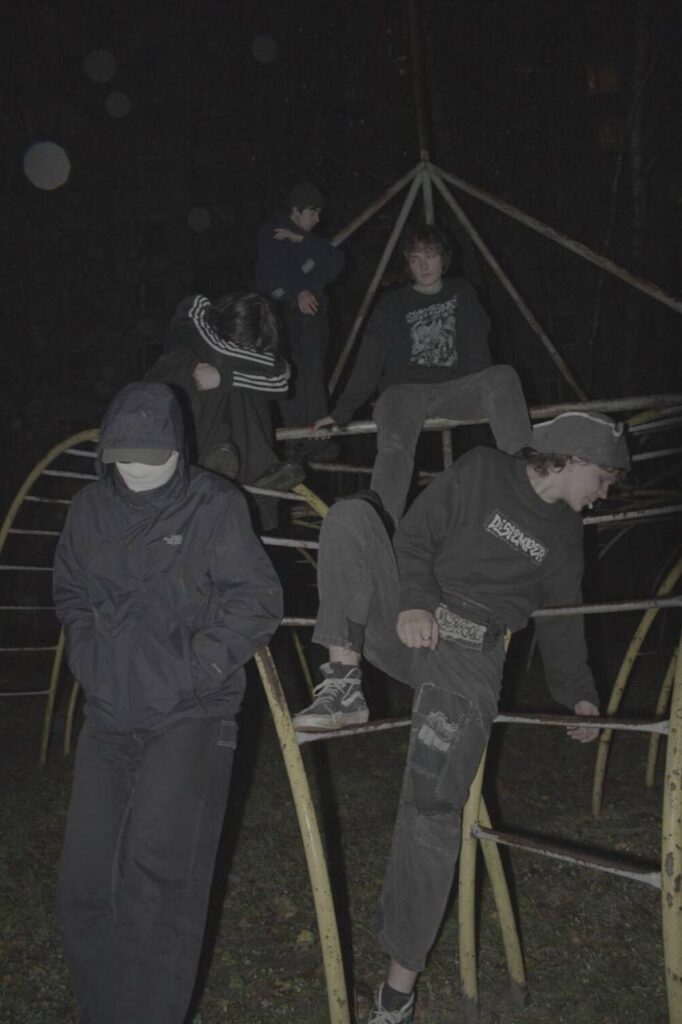
NTD: Tell us about your lyrics: where do they come from? Is it one person’s work or a collective process?
Nikita: The lyrics come from personal experiences; I usually sit down to write them when I feel bad, just to keep myself busy with something.
Edd: In the songs, I say things I wouldn’t tell even the closest person. I polished a couple of the album’s lyrics. Now I’m writing for some new songs. Come to the gigs — you’ll hear everything.
NTD: What in Latvia right now annoys, pressures, or frustrates you the most as young musicians? And does that tension show up in your tracks?
Edd: People in this country lack emotions, and everyone looks down — but we’re already working on that.
Nikita: There are a lot of people in the scene who, instead of discovering something new and listening to music, choose to get drunk outside the club, sitting on the pavement. And you start thinking — why do you even need music in this country?
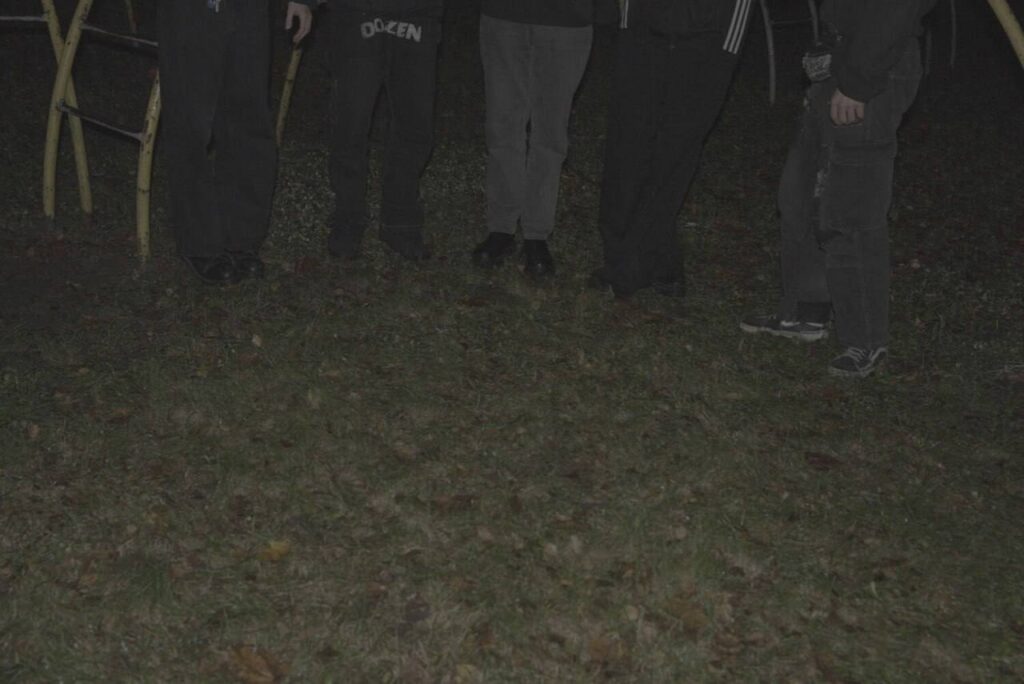
NTD: And finally: what does it mean for you to be emo in 2025 in a country where half the people don’t know what that is, and the other half thinks it’s just an overlong teenage phase?
Edd: For us, emo is a music genre. What is it like to be emo in Latvia today? I don’t know. Probably like being a locksmith or a diver. Or being no one at all. Everyone has felt both fear and joy. Given something and taken something. Does it matter which subculture you’re in or what you do in life?
Nikita: Honestly, no idea. For me it’s sincerity and just good music.
Egor: Being emo means not being ashamed of yourself and not adjusting to others. If you feel bad — be sad; if you feel good — be happy. Sometimes we need to turn off the part of the brain that signals “I’m acting stupid” and just go with the flow, because no one will understand you except yourself.