


Psychology
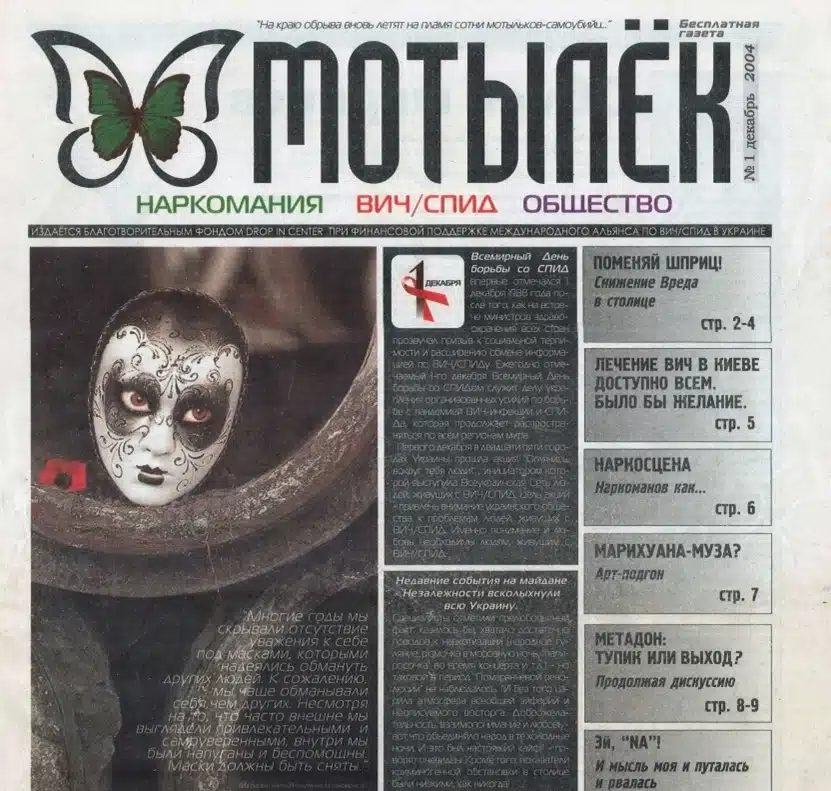
Once, before the emergence of nottoday, I produced a piece about the Ukrainian project “Motylek”. “Motylek” is an online community that has been providing support and information to people with addictions for over 20 years. After the weekend, reflecting on the problems of drug users, I remembered them, and thoughts about the situation of addicts during the war haunted me all evening.
Under the conditions of full-scale war, their work has become critically important, yet incredibly difficult. We spoke with representatives of the project about how their mission has changed, who is seeking help now, and what keeps them going when surrounded by chaos.
— Currently, “Motylek” is more than just a service. You are constantly alongside people in difficult situations. How do you personally define the main goal of your work now, during the war? What is most important for you to preserve in this endeavor?
— We work quietly; what we can do and have time for, we do. Most important now is to preserve a stable psyche—many people are struggling with that.
— What does your work look like in practice right now? Which forms of support work best: online consultations, the forum, materials, or referrals to other specialists? What has proven to be the most reliable and resilient in these conditions?
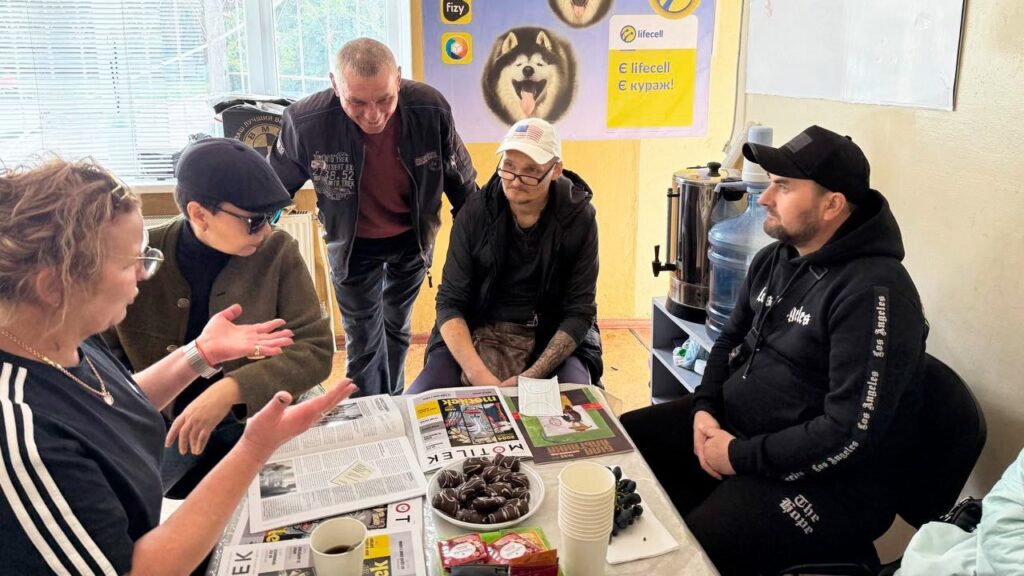
— We consult on the forum and in the chat; people often write to the administration’s private messages, to the bot, or via email. Overall, we provide feedback through all channels and have written a couple of brochures. We usually redirect people to local NGOs or specific drug-friendly specialists.
The most resilient thing turned out to be the decision not to abandon the project, even though it has no funding.
— War has profoundly changed people’s psycho-emotional state. Do you notice new ways of substance use or new groups of people appearing who previously didn’t consider themselves vulnerable?
— Yes, this has become evident over the last few years and will continue to progress. The “new faces” are, of course, veterans, who can be divided into various categories: from nalbuphine users to poly-drug users. Generally, there is a felt surge in society of people solving their problems using psychoactive substances, which was predictable.
— Harm reduction is always associated with care and rationality. How do these principles work when safety is constantly under threat and stress has become the norm?
— Everything has adapted. Regarding street work, it’s mostly the same, except there are moments when a worker might not go out on the route due to an air raid siren. Plus, there are issues with the TCC (military enlistment offices), but usually, people working in this field are patients of the state OST (Opioid Substitution Therapy) program, and de facto they are not mobilized. It’s also worth noting that some NGOs that worked with drug users have reoriented to other fields.
— In Ukrainian society today, the narrative of resilience and unyielding strength prevails. How do people with addictions fit into this narrative? Does it not intensify their sense of guilt?
— No, many have gotten used to it; they live their own lives.
— Do you encounter military personnel or veterans who use substances to cope with what they experienced in the war? Are there particularly difficult human or ethical moments here?
— Many from our community ended up at the front: some went voluntarily, others were mobilized. Some are no longer alive. Some have opened threads on the forum and write there about their “adventures.” New people (veterans) also come to us because they’ve encountered addiction and are looking for support and information. We try to help them all; after all, we understood long ago that this would happen. So, we wouldn’t say there are any “special” moments in our work regarding this.
— On one hand, war seems to bring people together. On the other, society can become less tolerant of those who “don’t fit in.” From your observations, how is the attitude and stigma around addiction changing now?
— It remains the same. In the TCC, the attitude toward a drug user is like they are a “demon.” If you don’t have documents (certificates, diagnoses, registration), you will go to serve. No one conducts training with them on “communicating with addicted people.” It’s the same with regular doctors and police officers.
— For many, the “Motylek” online community has become a truly safe place. Could it be said that during the war, it is precisely these simple, informal forms of support that prove to be the most necessary and human?
— That is for the people to decide; at least, there are no complaints against us or any negativity.
— Where is the line when you can still help, and when does the feeling of helplessness set in? How does the “Motylek” team cope with such constant emotional pressure and burnout?
— As they say, we cope “on spite.” But honestly, many have left: moderators, editors, and so on. Not everyone has the motivation and desire to do all this purely on enthusiasm, especially in such difficult times.
— How important is the theme of harm reduction right now for the state and grant-makers? Is there a risk that during the war it is considered secondary, even though it is directly linked to the health of society?
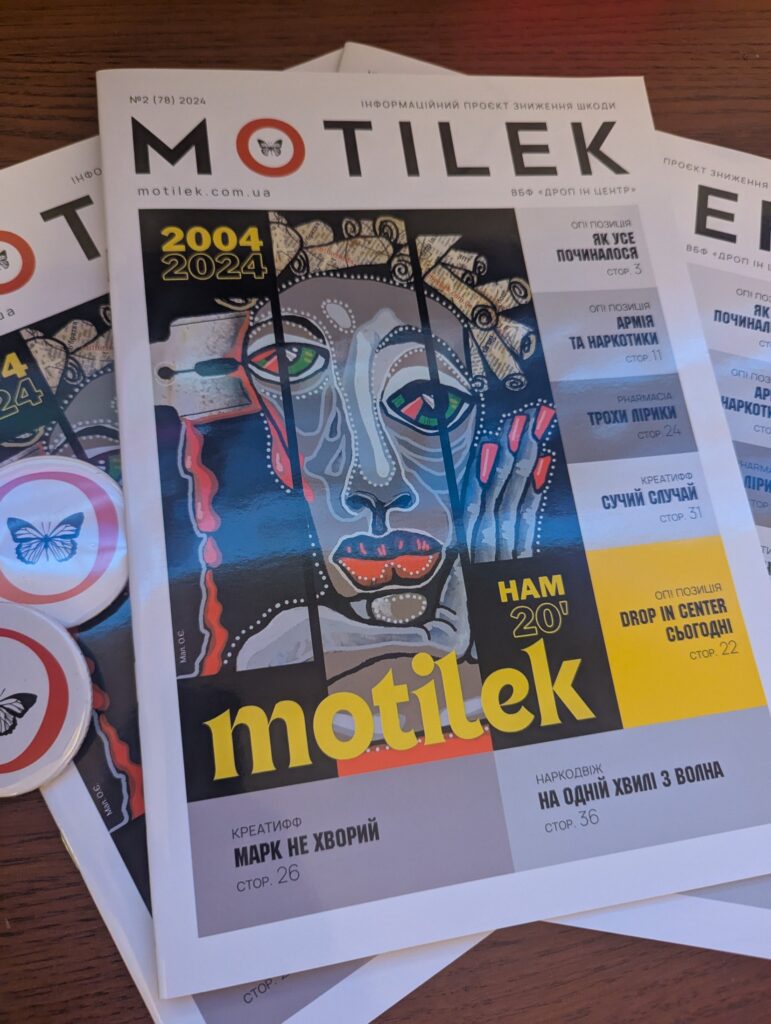
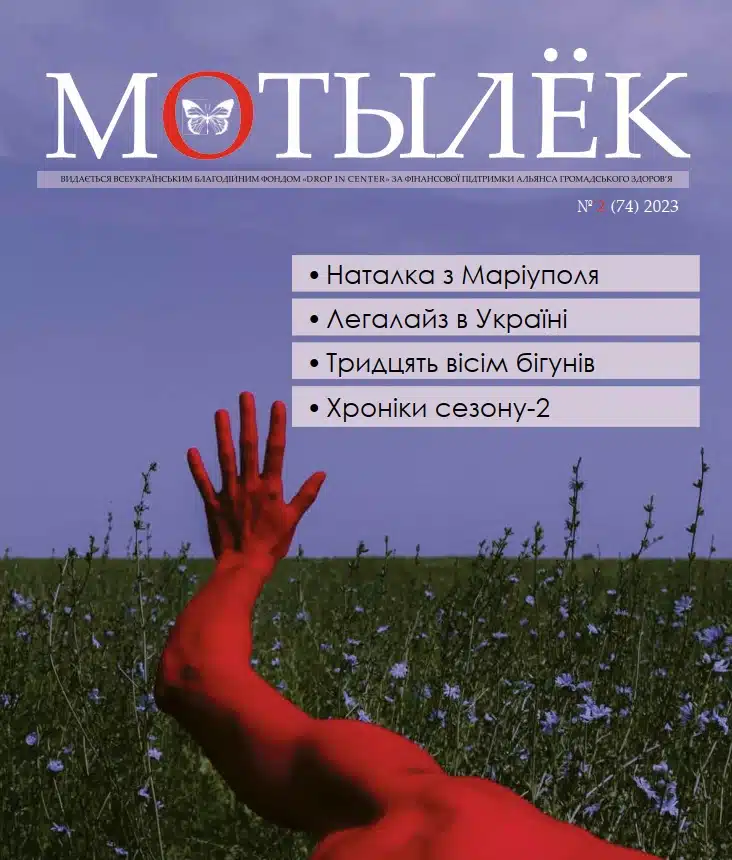
— From our experience, yes, that is the case. We haven’t published the magazine in a long time because we couldn’t find funding even for an online version. The applications we wrote were not supported, we received no help from NGOs, and so on. On the other hand, harm reduction programs still operate—new projects are launched, reports are written; in a way, life goes on as usual.
— When the active phase of the war ends, the country will face enormous collective trauma. Do you consider addiction to be one of the main post-traumatic challenges, and what role could “Motylek” play in this future?
— Yes, there will be more addictions, that much is obvious. As for “Motylek,” it’s unclear what will happen to the project, to be honest.